ストレス解消法の中でも、手軽なのが「大声を出すこと」です。ただし近所迷惑になったり、他の人をびっくりさせてしまってはいけません。ここでは、どんな場所でどのようにして大声を出すとストレス解消に良いか、お伝えしていきます。



仕事や勉強で疲れて、ストレスが溜まってしまうことってありますよね。ここでは、溜まったストレスの解消法についてやり方を含めてお伝えしていきます。ストレス解消法にお悩みの方に、少しでもすっきりしてもらえたらと思います。
ストレス解消法の中でも、手軽なのが「大声を出すこと」です。ただし近所迷惑になったり、他の人をびっくりさせてしまってはいけません。ここでは、どんな場所でどのようにして大声を出すとストレス解消に良いか、お伝えしていきます。
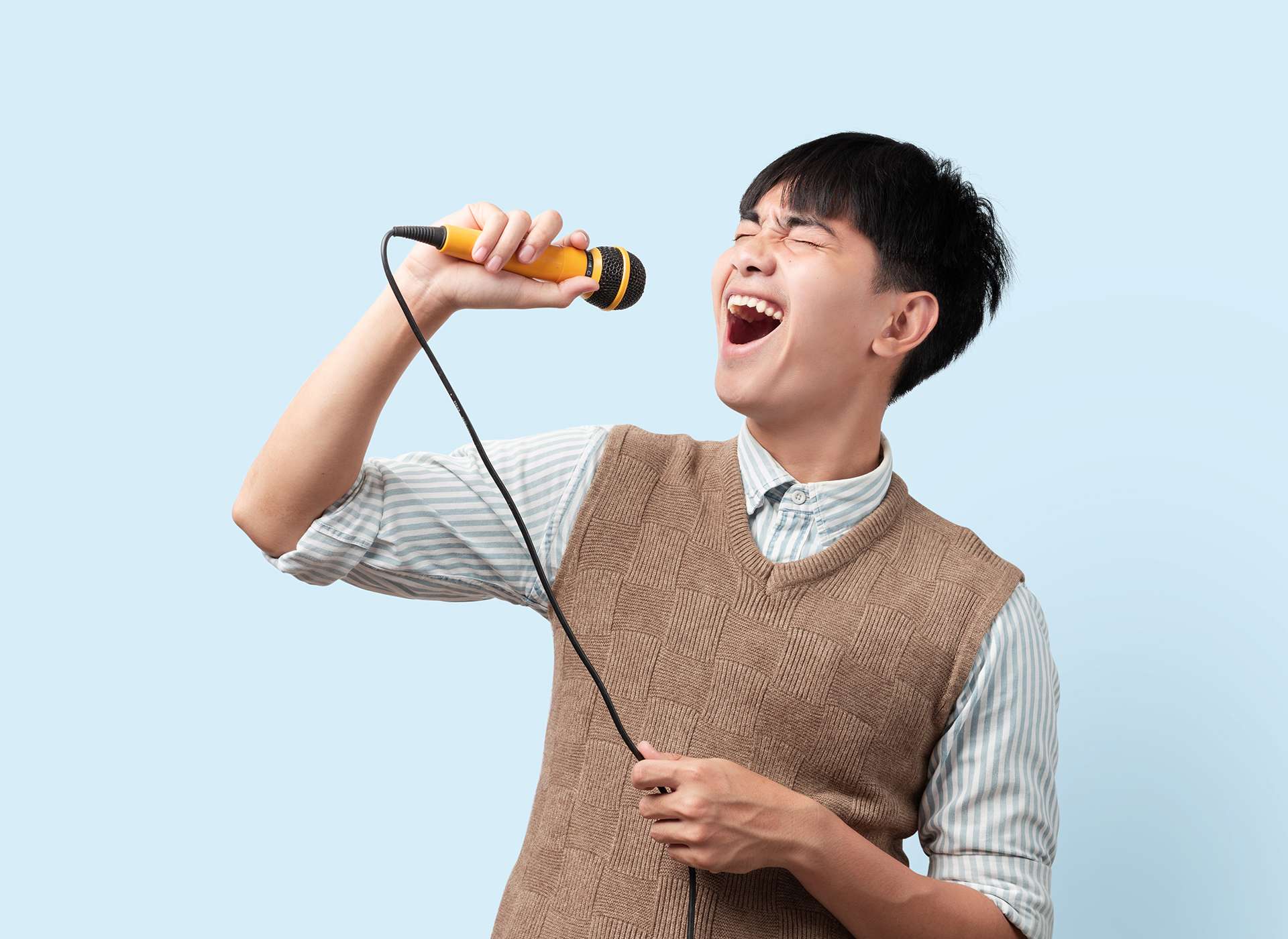
カラオケで大声を出すと、ストレス発散になりますよね。カラオケには自律神経を整える効果があると言われています。また、大きな声で歌うことでかなりのカロリーが消費されますので、運動効果やダイエット効果も…
ストレスが溜まっているとモヤモヤした気持ちのまま日常生活を送らなければいけなくなるため、ネガティブ思考になってしまうこともあるのではないでしょうか。全てが嫌になって大きな声を出してストレス解消した…

ストレス解消に大声を出すのが良いとは分かっていても、公共の場で大声を出したら周りの人をびっくりさせてしまいますし、家の中で声を出すのも近所迷惑になってしまいます。 その点、お化け屋敷なら他人へ迷惑が掛かりません。そもそもお化け屋敷は、さまざまな仕掛けに「ぎゃーっ!」と大声を出すこと自体が楽しみの場所とも言えます。大声を出すことが許されているので、周りの目は気にならないですし、周りへの配慮なども必要なく、ストレス解消に大声を出すためにぴったりな場所です。映画や小説のホラー系が好きだという人は特におすすめですし、遊園地に常設されていることもあるので、友達とのレジャーや異性とのデートでも使える場所です。
お化け屋敷がストレス解消に良いことは、大声が出せるという理由だけではありません。お化け屋敷の多くは、廃病院や古い家屋など、通常は立ち入り禁止になっているような場所をイメージされて設計されています。そういった場所では、「これから何が起こるか分からない」という不安や好奇心が刺激されます。 普段の生活にストレスが溜まっている人は、お化け屋敷のような非日常空間にいるだけで、わくわくしてストレスが軽減されます。そこで大声で叫ぶことができれば、心も体もとてもスッキリするでしょう。ただし、ホラー系が苦手という人や暗い場所が苦手な人は、お化け屋敷にいるだけでストレスが溜まってしまうこともあるので、ホラー好きな人だけにしてくださいね。

ストレス解消には、ゆっくりとリラックスすることも大切です。リラックスすることで副交感神経が活発になり、ストレスによって乱れた自律神経を修復してくれるでしょう。ここでは、どのような方法でリラックスできるかお伝えします。
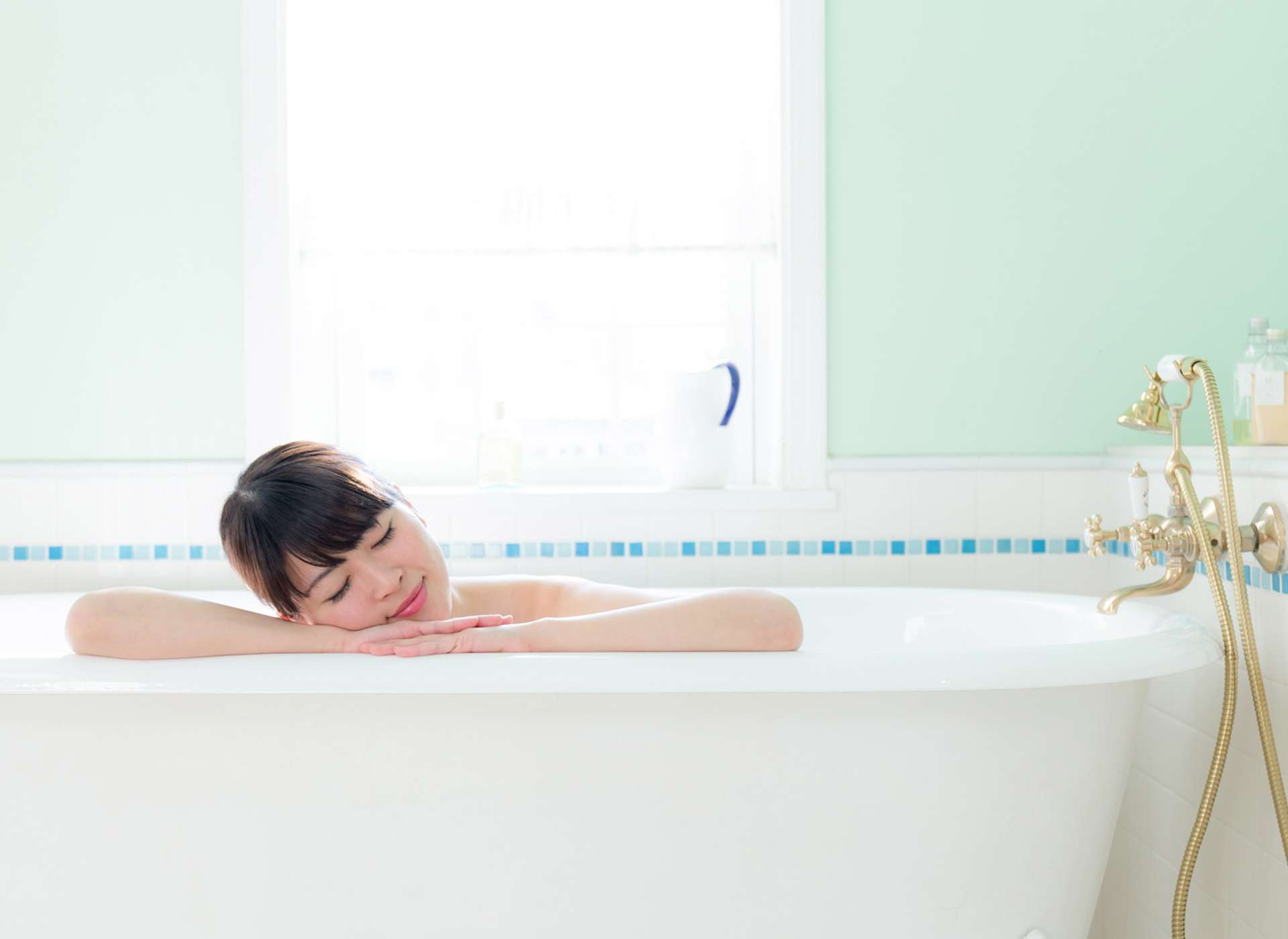
仕事や人間関係などで嫌なことがあった時や、疲れがたまってイライラしているような時には、ゆっくりとお風呂の湯船に浸かることでストレスを軽減することができます。忙しくて時間がないからとシャワーだけで入…
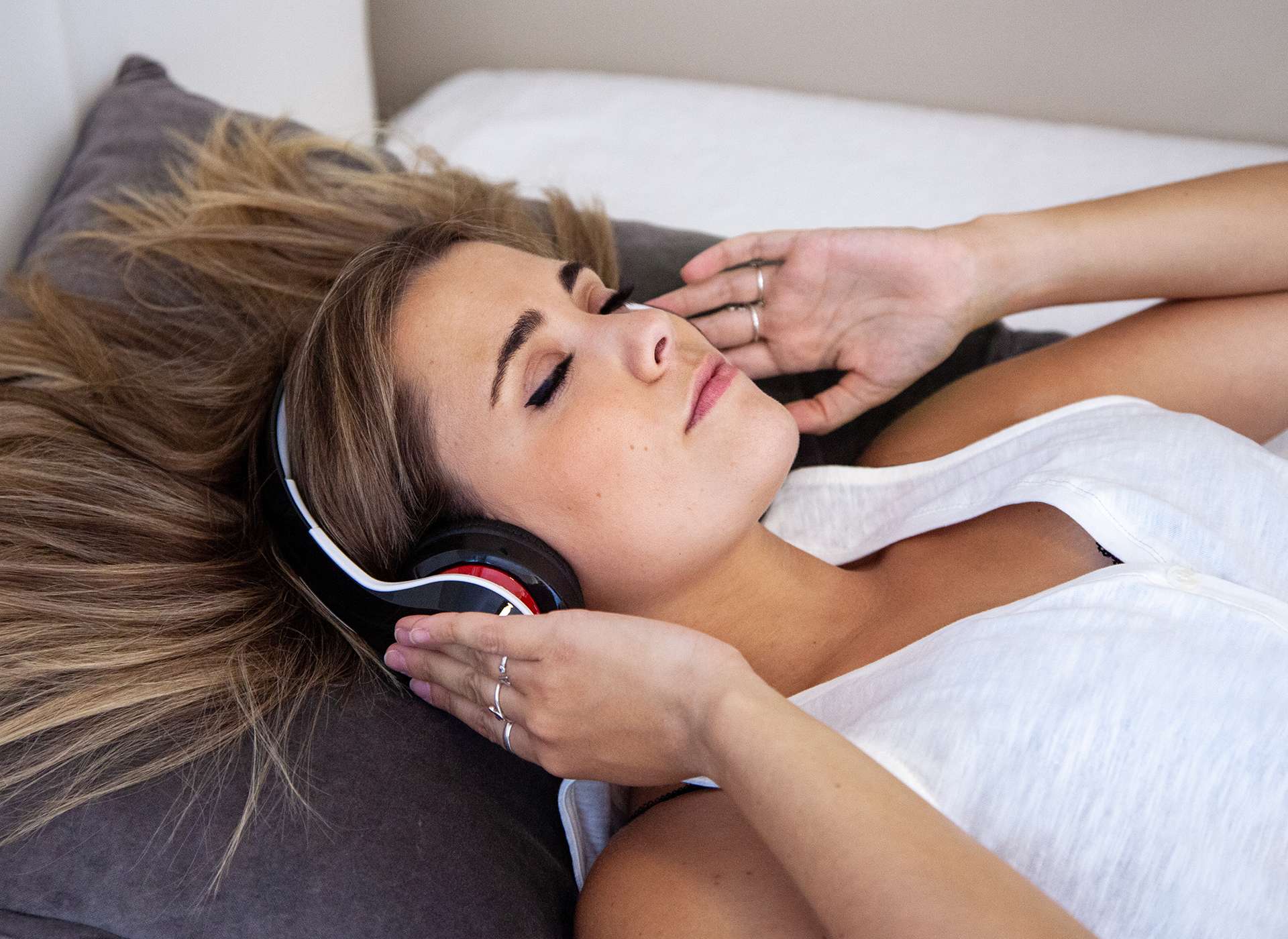
音楽を聴くと、脳が心を安らかにする「セロトニン」という物質を分泌させるという研究があります。それほど音楽はリラックスするのに向いていて、ストレスの軽減に役立ちます。リラックスすることで心の疲れが取…
食べることは、生きることの基本であり、元気をチャージしたい時におすすめの方法でもあります。仕事に追われていると、つい適当に食事を済ませてしまいがちなものですが、そういった状態が続けば、気持ちが落ち…